
Indian SMEs and MSMEs should look at global volatility as more than just a cost problem. A better approach is to join India’s growing industrial supply chains. Many global companies are rethinking their reliance on China, supply-chain risks, energy needs, AI infrastructure, and where they manufacture. India’s new trade deals, foreign partnerships, and investment promises can open up fresh supplier opportunities for local MSMEs.
MSME owners can take three practical steps to turn ideas into action:
The goal is to find out where foreign companies plan to build in India, what they will need locally, and how Indian MSMEs can become approved vendors.
MSMEs are not a peripheral segment of the Indian economy. They are India’s employment engine, export base, manufacturing backbone, and district-level entrepreneurship system. Government data shows that MSMEs contribute significantly to GDP, manufacturing output, and exports, while employing a large workforce across manufacturing, services, and trade.
However, the sector is facing a combined stress environment: global slowdown, geopolitical conflict, declining momentum in merchandise exports, Chinese overcapacity, raw material inflation, energy price uncertainty, AI disruption, digitization gaps, financing constraints, and changing trade routes.
The main question is not about the importance of MSMEs. It is whether they can shift from just surviving to becoming suppliers with strong industrial capabilities.
Global value chains are no longer focused only on low costs. The World Economic Forum notes a shift toward resilience, regional focus, industrial policy, supply security, and technology-driven production. This is important for Indian MSMEs because global buyers now want reliable alternative suppliers, not just the cheapest ones.
This change creates a strategic opportunity for India. Foreign companies coming to India will need more than land, incentives, and big factories. They will also need local networks of fabricators, component suppliers, testing labs, logistics partners, software vendors, engineering services, packaging firms, compliance experts, and skilled workers. This is where MSMEs can succeed.
India’s MSME resilience plan should focus on five main areas: protecting cash flow, improving productivity, getting ready to be suppliers, adopting technology, and diversifying into future sectors.
| Strategic Priority | Business Risk / Why It Matters | Recommended Action |
|---|---|---|
| Liquidity Protection | Delayed payments, inventory build-up and export uncertainty can weaken working capital faster than revenue decline. | Track debtor ageing, SKU-level margins, cash conversion cycles and customer concentration every month. |
| Cost-Centre Productivity | Inflation in power, raw materials, logistics and manpower can silently destroy margins. | Conduct ROI-based cost-centre analysis across procurement, energy, manpower, production losses, marketing and distribution. |
| Supplier Readiness | Foreign companies prefer vendors that can prove quality, documentation and delivery reliability. | Build certification, traceability, quality control, ESG documentation and process discipline before approaching large buyers. |
| Technology Adoption | AI and digitisation are becoming productivity tools, not optional upgrades. | Use AI for demand forecasting, inventory alerts, pricing intelligence, quotation comparison, customer segmentation and receivables follow-up. |
| Future-Sector Diversification | Old industries will continue, but new demand pools will emerge from India’s trade and technology partnerships. | Map future sectors where global firms may localise production and identify supply gaps that MSMEs can serve. |
The next big opportunity is not just in well-known areas like electronics, EVs, or renewable energy. These are already established. The real potential is in lesser-known supplier networks created by India’s recent diplomatic, trade, and investment partnerships.
Semiconductor fab support and cleanroom supply chains
India’s semiconductor opportunity is not limited to chip manufacturing. Semiconductor fabs and OSAT facilities require cleanrooms, ultra-pure water systems, specialty gases, precision valves, high-purity chemicals, testing fixtures, static-safe packaging, facility automation, calibration services, waste handling, and maintenance support.
India’s partnerships with Singapore, Japan, and the Netherlands, along with the ASML–Tata Electronics agreement to support the Dholera semiconductor fab, indicate that the semiconductor ecosystem is becoming more serious and operational. MSMEs in precision engineering, industrial automation, cleanroom consumables, specialty packaging, and technical services can become part of this value chain by upgrading their documentation and quality standards.
Critical minerals processing, recycling, and strategic material recovery
Critical minerals are becoming central to semiconductors, batteries, EVs, telecom, defense electronics, renewable energy, and AI infrastructure. India’s National Critical Mineral Mission and its strategic cooperation with partner countries suggest that the country will need domestic capabilities not only in exploration but also in processing, testing, recycling, and recovery.
MSMEs do not have to own mines to get involved. There are chances in e-waste recovery, handling battery materials, recovering rare-earth magnets, running mineral testing labs, providing safety equipment, chemical supplies, recycling services, and traceability systems. In this area, following rules and caring for the environment will be more important than just trading commodities.
AI infrastructure, data-center systems, and sovereign compute supply chains
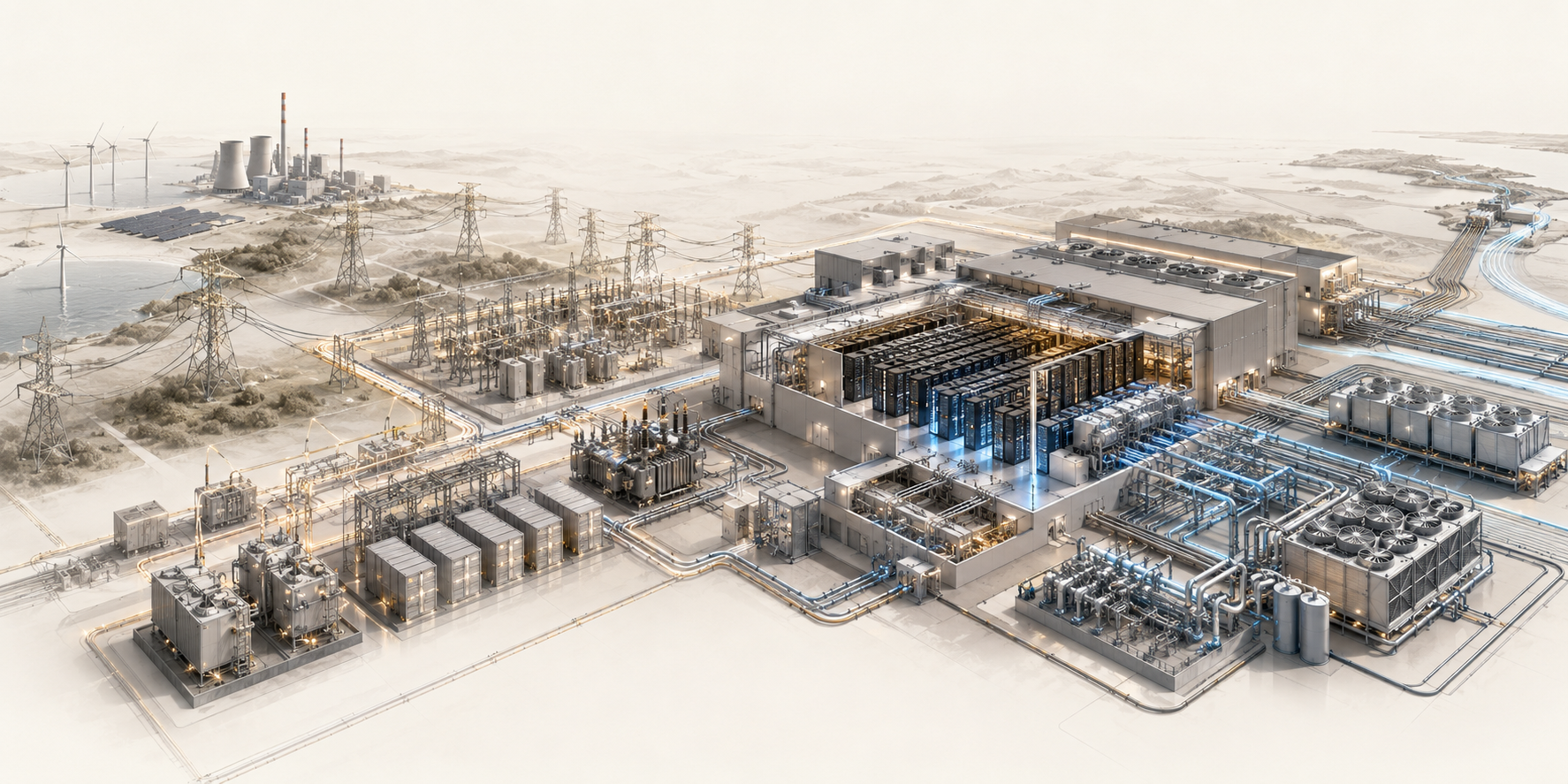
AI is usually discussed as software, but its industrial backbone is physical. AI adoption requires data centers, server racks, power systems, cooling, structured cabling, fire safety, cybersecurity, energy management, monitoring sensors, and precision facility maintenance.
As India builds up its digital infrastructure and computing power, MSMEs can become suppliers for AI infrastructure. They can offer rack fabrication, cooling systems, UPS units, power distribution, cable assemblies, enclosures, fire safety, facility automation, and maintenance services. For industrial MSMEs, this is a practical way to join the AI economy without having to become an AI software company.
Small modular reactor and advanced energy component ecosystem
India’s Nuclear Energy Mission and India–France cooperation on small modular reactors and advanced modular reactors can create a long-term supplier ecosystem. This is not a short-term opportunity for every MSME, but it is highly relevant for engineering firms already serving power, defense, aerospace, process equipment, or high-compliance manufacturing.
There may be future demand for precision valves, pumps, sensors, control panels, testing, simulation support, specialized training, safety systems, pressure equipment, shielding materials, and engineering documents. Getting into this field will be tough, but qualified suppliers could earn more trust and better profits.
Green hydrogen, hydrogen-ready equipment, and industrial decarbonization
Green hydrogen is not only a fuel opportunity; it is also a catalyst for change. It is an industrial equipment opportunity. India’s green hydrogen mission and incentives for electrolyzer manufacturing and hydrogen production can create demand for compressors, skids, pressure vessels, valves, gaskets, sensors, water-treatment systems, automation, process safety, renewable integration, and maintenance services.
MSMEs operating in chemicals, gas handling, fabrication, EPC, renewables, and industrial utilities should assess whether they can upgrade their skills for hydrogen-related work. Owners can use a simple checklist to see if they are ready. Ask yourself: Do you have experience with high-pressure systems or gas handling? Are your safety processes and certifications up to date? Can your equipment or team handle new hydrogen materials or processes? Is your documentation, testing, and traceability sufficient for larger buyers? The best opportunities will go to firms that solve real problems in safety, reliability, and cost.
Defense-tech, aerospace, and dual-use manufacturing
India’s defense-industrial cooperation with countries such as France, the UK, the US, and Japan signals a shift toward joint development, advanced systems, and trusted supply chains. MSMEs can participate through precision machining, rugged electronics, cable harnesses, drones, composite components, actuators, embedded systems, secure enclosures, simulation tools, and maintenance services.
The key change is moving from basic defense supply to producing products that can be used in both defense and other industries. MSMEs already working in automotive, automation, telecom, electronics, or aerospace can shift their focus by improving certification, cybersecurity, documentation, and production reliability.
IMEEC-linked logistics, smart warehousing, and trade corridor services
The India–Middle East–Europe Economic Corridor and India-UAE cooperation can create demand for trade infrastructure, logistics platforms, smart warehousing, cold-chain services, bonded logistics, cargo visibility, export packaging, product inspection, and customs documentation.
For MSMEs located near ports, logistics parks, industrial corridors, and export clusters, this is a big service opportunity. The winners will not just be traditional transporters, but logistics MSMEs that combine moving goods with digital tracking, compliance, and reliability.
Shipbuilding, ship repair, and marine equipment ecosystems
India’s maritime push and shipbuilding policy direction can create vendor opportunities across coastal states. Shipbuilding requires fabrication, marine electrical systems, pumps, coatings, HVAC, deck fittings, corrosion control, safety equipment, interiors, marine electronics, and repair services.
MSMEs in Gujarat, Maharashtra, Goa, Tamil Nadu, Andhra Pradesh, Odisha, and Kerala can benefit if they meet marine quality standards. To qualify, MSMEs usually need to get certified by groups like the Indian Register of Shipping or international marine bodies, use corrosion-resistant materials, follow special testing procedures, and keep good records of quality and safety. Industry groups, maritime research centers, and consultants can help with training and advice. This sector is attractive because it serves commercial shipping, defence needs, port infrastructure, and coastal logistics.
Advanced med-tech, digital health, and life-sciences manufacturing
India’s partnerships with Singapore, Japan, France, the UK, and EFTA countries point toward higher-value life sciences collaboration. The opportunity is not only in generic pharma. MSMEs can supply diagnostic consumables, sterile packaging, lab automation, precision plastics, device components, cold-chain equipment, calibration services, hospital consumables, and regulatory documentation support.
This sector values clean manufacturing, careful validation, and steady demand from institutions. It is especially good for investors interested in export-ready, quality-focused manufacturing businesses.
Climate-resilient agritech and controlled food supply chains
Future food-sector opportunities will move beyond basic food processing. Climate volatility, food security, and trade quality requirements will create demand for controlled-atmosphere storage, dehydration, IQF processing, bio-inputs, irrigation sensors, packhouse automation, traceability, testing labs, export packaging, and cold-chain maintenance.
This opportunity links rural industry growth with export strength. MSMEs that can cut post-harvest losses, extend shelf life, and meet international standards can become key partners in India’s future food supply chain.
Investors and HNIs should view MSMEs as future industrial supplier platforms, not just small businesses. The next wave of MSME growth in India will come from companies that can meet policy-driven, FDI-linked, and supply-chain diversification needs. The best opportunities may not be consumer brands, but could be precision manufacturers, component suppliers, testing labs, industrial service providers, logistics firms, med-tech vendors, clean-energy equipment suppliers, or AI-infrastructure support companies. The key question for investors is: can this MSME become a trusted supplier in India’s next phase of industrial growth?
Investor takeaway
The best MSME investments are not just in popular sectors. They come from identifying businesses with sector growth, strong operations, supplier readiness, financial transparency, and good governance. In India’s next industrial phase, MSMEs that become trusted suppliers to foreign companies, large Indian manufacturers, and export-focused value chains could offer strong long-term value for HNIs, family offices, and strategic investors.
Velox Consultants helps SMEs, MSMEs, investors, and industrial families turn uncertainty into clear growth actions. We do not aim to create fear, but to build awareness, visibility, and readiness for decisions. Our process starts with a discovery discussion to understand client needs, then a structured assessment to find gaps and opportunities. We work together to create a strategy roadmap, support implementation, and track progress to ensure results. This step-by-step approach helps MSMEs and stakeholders know what to expect and keeps each stage clear and focused.
India’s MSME story should not be seen as a crisis, but as a story of industrial renewal. Global changes are making companies rethink where they manufacture, who they buy from, and how they manage risk. At the same time, India’s diplomacy, trade deals, foreign investment, and industrial programs are building new supplier networks in manufacturing, exports, technology, energy, food processing, infrastructure, and future sectors.
Velox Consultants supports businesses in identifying where these shifts can translate into real commercial opportunities.
Awareness and Future-Sector Intelligence
Velox Consultants helps clients see which policy changes, FDI commitments, trade routes, diplomatic partnerships, and industrial programs can create local supplier demand. This includes scanning future sectors, mapping opportunities, benchmarking competitors, analyzing buyer networks, and spotting new value chains.
The objective is to help businesses see opportunities before they become mainstream.
ROI-Based Cost-Center Analysis
Velox Consultants checks where the business is earning money, where it is losing margins, and which cost areas need attention. This covers procurement, energy, staff, logistics, production losses, channel margins, marketing returns, customer profits, and working capital.
For SMEs and MSMEs, growth is not just about finding new markets. It also means improving internal efficiency, protecting margins, and getting financially ready to scale up.
Primary Research Through Surveys and Interviews
Velox Consultants uses primary research to reduce guesswork. We conduct customer surveys, distributor interviews, expert calls, supplier talks, buyer checks, channel reviews, and competitor research to determine whether an opportunity is truly viable.
This helps clients move from assumption-based to evidence-based decisions.
Strategic Execution Support
Velox Consultants helps clients beyond just giving reports. We assist with go-to-market strategy, export planning, distributor mapping, pricing setup, market entry plans, investor presentations, and execution dashboards.
The MSMEs that will succeed are not always the biggest today. They are the ones that get ready in quality, data, finance, technology, and buyer needs before the market gets crowded.
Velox Consultants helps businesses get ready for this change with clear insights, practical strategies, and hands-on guidance.
What is an MSME resilience strategy in India?
An MSME resilience strategy in India is a structured plan that helps SMEs and MSMEs protect cash flow, reduce operational risks, improve productivity, and prepare for future industrial opportunities. It goes beyond survival during a slowdown. A strong strategy focuses on five pillars: liquidity protection, cost-center productivity, supplier readiness, technology adoption, and future-sector diversification. For Indian MSMEs, this means tracking working capital, improving margins, adopting digital tools, strengthening documentation, and identifying new supplier opportunities in emerging sectors. The objective is to become more buyer-ready, finance-ready, and future-ready. Start with a resilience diagnostic before making growth decisions.
Why should Indian SMEs and MSMEs focus on resilience during a global slowdown?
Indian SMEs and MSMEs should focus on resilience because global slowdowns can quickly affect exports, raw material costs, receivables, inventory, margins, and customer demand. However, volatility also creates opportunity. Global companies are reassessing supply-chain risk, China dependence, energy security, and manufacturing locations. This can open new supplier opportunities for prepared Indian MSMEs. Resilience helps businesses protect today’s operations while positioning for tomorrow’s industrial demand. The strongest MSMEs will not only cut costs; they will improve systems, quality, technology, and buyer confidence. Use the slowdown as a trigger to strengthen your operating model.
How can Indian MSMEs benefit from global supply-chain shifts?
Indian MSMEs can benefit from global supply-chain shifts by becoming reliable suppliers to foreign companies, large Indian manufacturers, and export-led value chains. Global buyers are increasingly seeking dependable alternatives, not just low-cost vendors. MSMEs can serve demand in fabrication, components, packaging, testing, logistics, engineering services, compliance support, maintenance, and digital operations. To participate, MSMEs need stronger quality control, documentation, delivery reliability, traceability, and certification readiness. Businesses located near ports, industrial corridors, manufacturing clusters, and export zones may have additional advantages. Map where global firms are investing and identify the local supply gaps you can serve.
Which future-ready sectors can create new MSME opportunities in India?
Future-ready MSME opportunities in India can emerge in semiconductor support, critical minerals recycling, AI infrastructure, data center systems, green hydrogen, defense tech, aerospace, smart logistics, shipbuilding, med tech, and climate-resilient food supply chains. These sectors need more than large anchor companies. They require suppliers, fabricators, testing labs, cleanroom vendors, logistics partners, automation firms, packaging providers, and maintenance specialists. MSMEs can participate by upgrading their existing capabilities for higher-compliance industrial demand. For example, a precision engineering firm may explore semiconductor or defense supply chains. Select sectors based on capability fit, buyer demand, compliance needs, and investment capacity.
How can MSMEs become suppliers to large companies and foreign investors?
MSMEs can become suppliers to large companies and foreign investors by strengthening supplier readiness before approaching buyers. Large organizations usually evaluate vendors on quality, consistency, documentation, compliance, capacity, financial discipline, and delivery reliability. Price alone is rarely enough. MSMEs should prepare product specifications, testing records, process documents, certifications, ESG data, customer references, delivery history, and cost transparency. A practical framework for assessing five areas: quality readiness, compliance readiness, documentation readiness, capacity readiness, and commercial readiness. The better prepared the business is, the stronger its chances of entering institutional supply chains. Build your supplier-readiness file first.
How can AI and digital tools improve MSME business performance?
AI and digital tools can improve MSME business performance by helping owners make faster, more accurate, and more data-led decisions. MSMEs do not need to become AI companies to benefit from AI. They can use tools for demand forecasting, inventory alerts, pricing intelligence, quotation comparison, customer segmentation, production planning, receivables follow-up, and margin monitoring. These applications help reduce guesswork and improve visibility across cost, cash, customers, and capacity. For example, debtor aging dashboards can reduce working-capital stress, while SKU-level margin tracking can identify hidden profit leakage. Start with one high-impact use case before scaling technology adoption.
What are the biggest challenges Indian MSMEs face in becoming future-ready?
The biggest challenges Indian MSMEs face include delayed payments, working capital stress, raw material inflation, rising energy costs, weak documentation, low technology adoption, limited compliance-readiness, customer concentration, and a lack of structured market intelligence. Many MSMEs are operationally capable but not yet institutionally ready to work with large buyers or foreign investors. They may produce good products but lack traceability, certifications, quality records, digital MIS, governance systems, or export-readiness documentation. Another challenge is investing in attractive sectors without validating demand. To become future-ready, MSMEs must improve both internal efficiency and external market alignment. Begin with a gap assessment across finance, operations, technology, and buyer readiness.
How much should MSMEs invest in resilience, technology, and supplier readiness?
MSMEs should invest in resilience, technology, and supplier readiness based on return on investment, not trend pressure. The first investment should usually be in visibility: cost-center analysis, debtor tracking, inventory control, quality documentation, customer profitability, and basic digital dashboards. A useful model divides investment into three levels: essential controls, productivity upgrades, and strategic capability building. Essential controls protect cash and margins. Productivity upgrades improve efficiency. Strategic capability building prepares the business for large buyers, exports, or future sectors. MSMEs should avoid expensive transformation before diagnosing operational gaps. Prioritize investments that improve margin, cash flow, or buyer qualification.
How should investors evaluate MSME investment opportunities in India?
Investors should evaluate MSME investment opportunities in India as future industrial-supplier platforms, not just small businesses. A strong evaluation framework should include future-sector linkage, supplier readiness, governance maturity, cost-center visibility, working-capital discipline, technology adoption, customer diversification, and exit potential. Revenue growth alone is not enough. Investors should review product-wise margins, debtor days, inventory cycles, quality systems, founder dependency, financial transparency, and the potential of institutional buyers. Attractive opportunities may come from precision manufacturers, testing labs, logistics enablers, med-tech vendors, clean-energy suppliers, and AI-infrastructure support firms. Use structured due diligence before investing in MSME growth stories.
How can Velox Consultants help Indian MSMEs become future-ready?
Velox Consultants helps Indian MSMEs, SMEs, investors, and industrial families convert uncertainty into structured growth action. The support includes future-sector opportunity mapping, buyer ecosystem analysis, competitor benchmarking, cost-center analysis, working-capital visibility, primary research, distributor mapping, GTM strategy, export-readiness planning, and execution dashboards. For MSMEs, the goal is not only to find new markets but to become quality-ready, finance-ready, technology-ready, and buyer-ready. Velox uses evidence-led research through surveys, interviews, expert calls, and market validation to reduce guesswork. Businesses planning growth, investment, or diversification can begin with an MSME resilience and opportunity assessment.